Drew Heur writes about discipline, structure, and execution.
From system design to trading execution, Drew Heur’s work centers on one core principle: consistency is engineered, not discovered.
His books translate complex decision-making into structured operating systems—where rules replace emotion, constraints define behavior, and execution becomes repeatable under pressure. This is not about predicting markets. It is about building a framework that functions regardless of outcome.
View on Amazon
The Trading System Series
A structured body of work designed to function as a complete trading framework. Each book builds on the last—moving from internal consistency, to execution, to control under live conditions.
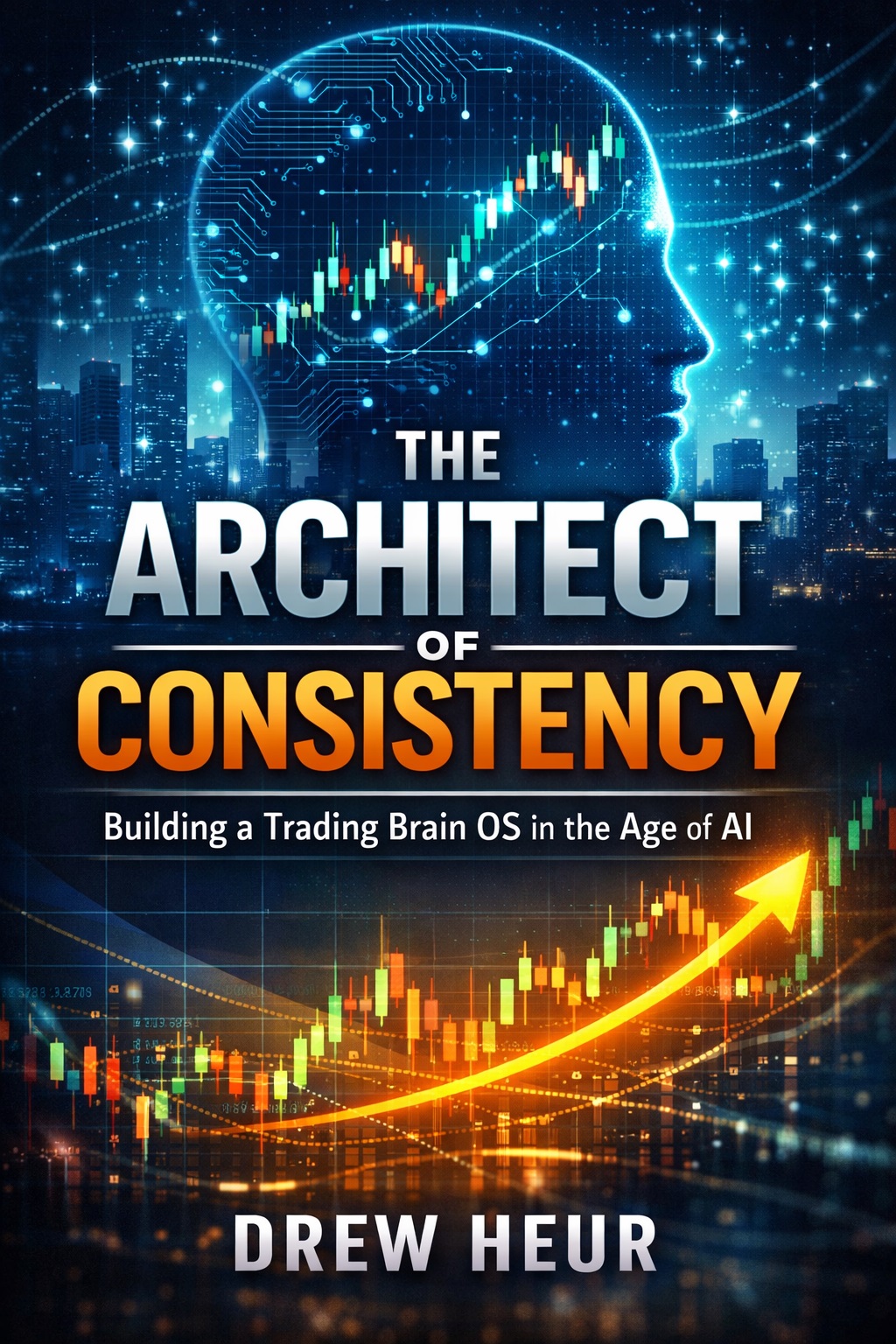
The Architect of Consistency
The foundation layer.
This book introduces trading as an operating system rather than a collection of strategies. It focuses on eliminating randomness in behavior, defining decision boundaries, and creating a repeatable framework.
Instead of chasing outcomes, the reader learns how to construct a system that produces consistency through controlled inputs.
View Book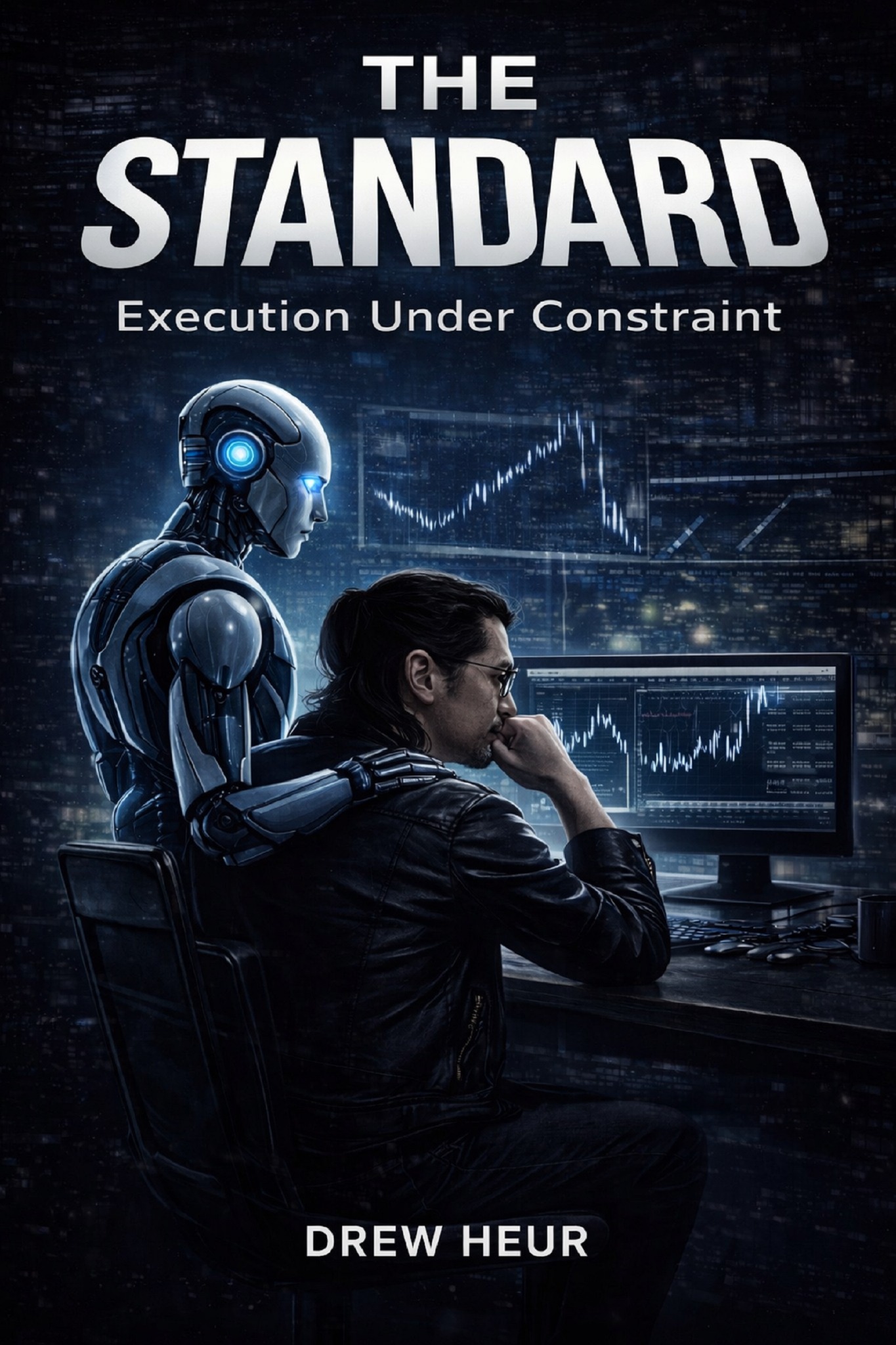
The Standard
The execution layer.
Once consistency is established, The Standard defines how the system behaves in real conditions. Every action is governed by predefined rules—not interpretation.
The focus shifts from “what to do” to “when you are allowed to act,” enforcing discipline through structure.
View Book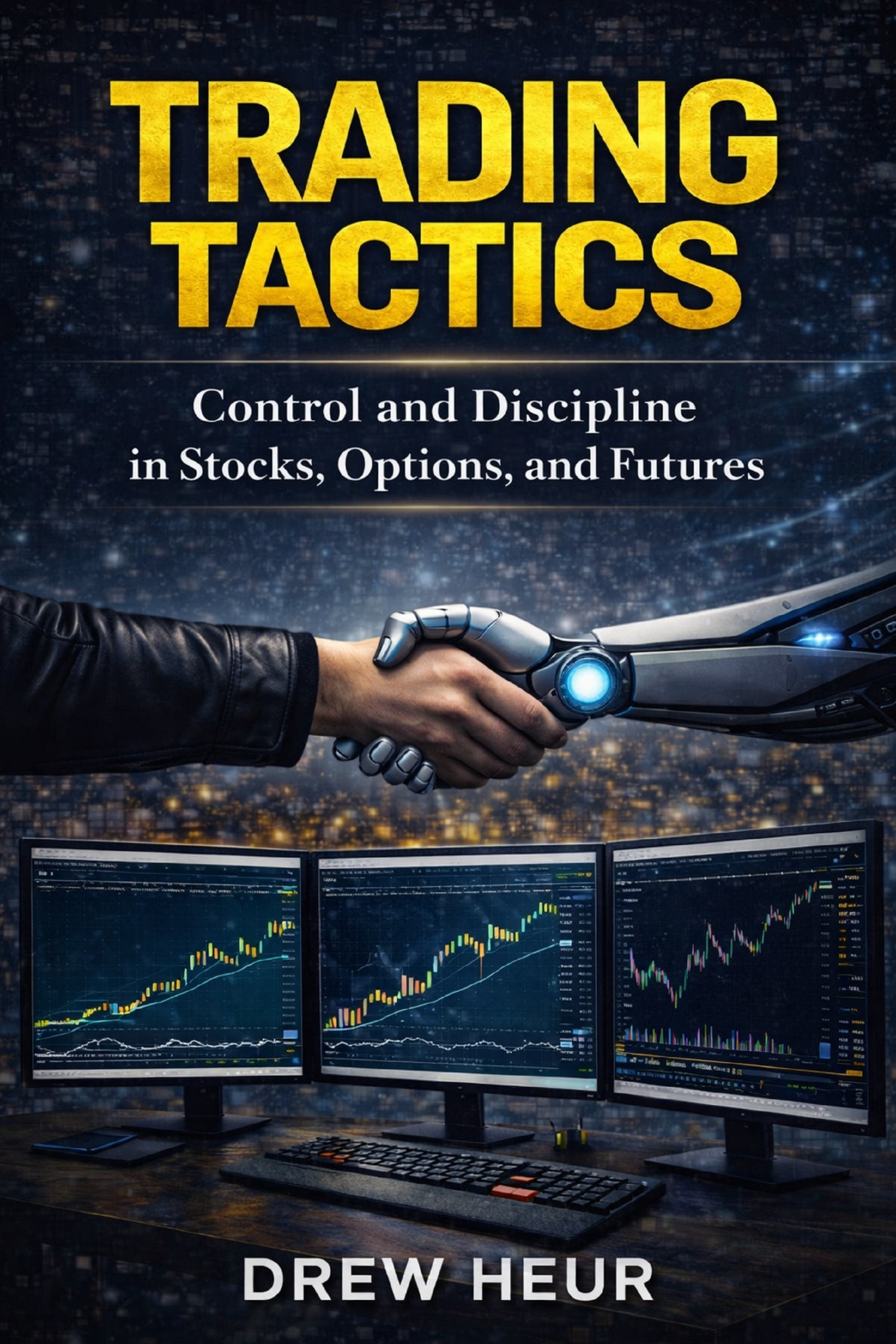
Trading Tactics
The control layer.
Trading Tactics brings the system into live application across stocks, options, and futures. It focuses on maintaining discipline under pressure.
This is not about adding strategies. It is about controlling behavior while executing them in real-time conditions.
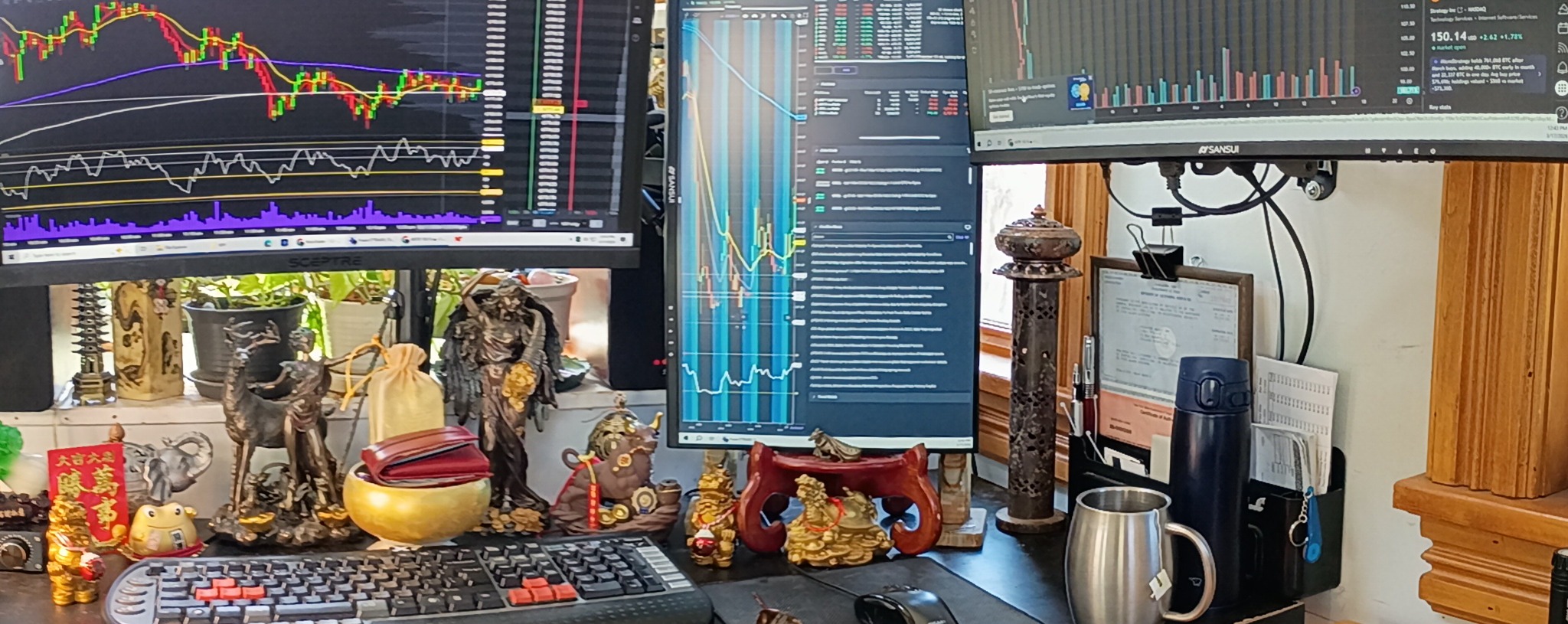
View BookInside the workspace
A practical environment built around observation, structure, and execution.
The workspace reflects the same philosophy as the books: reduce noise, define clear inputs, and operate within a controlled system. Tools are not used for prediction—but for maintaining awareness within a defined framework.
Drew Heur’s approach is rooted in systems thinking. Markets are treated as environments, not puzzles to solve.
Every action is filtered through structure:
– Where is price in relation to defined levels
– What conditions must be met before action is allowed
– How risk is controlled before, during, and after execution
The goal is not to react faster, but to operate within a system that removes the need for reaction altogether.